
LIPOSUCTION
WHAT IS LIPOSUCTION?
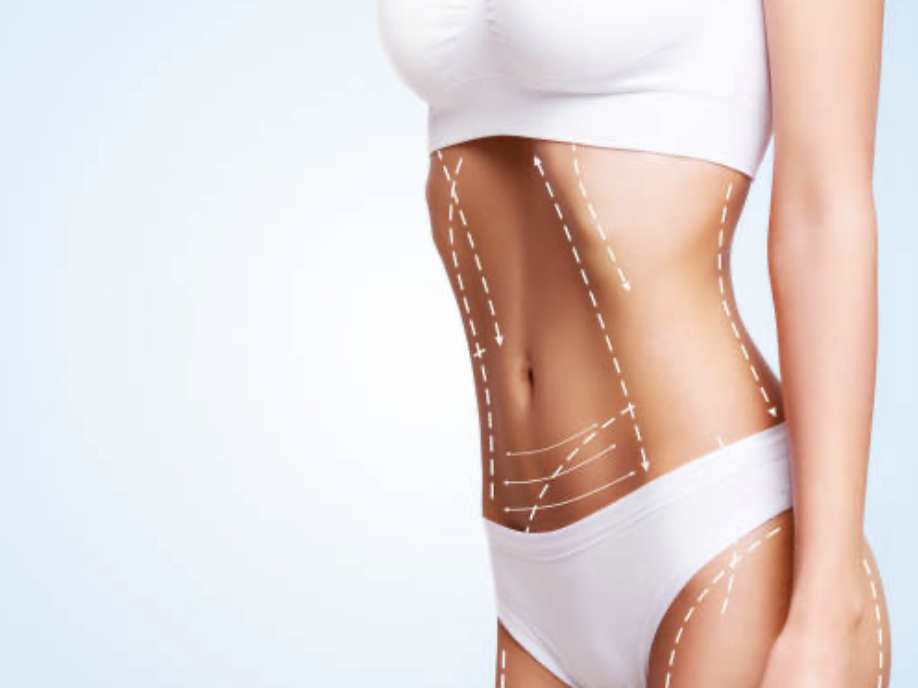
Liposuction is a cosmetic procedure designed to refine body shape by removing localised pockets of fat that can be resistant to diet and exercise. It is commonly performed on areas such as the abdomen, thighs, hips, arms, neck, and buttocks. During the procedure, a surgeon makes small, discreet incisions and uses a narrow instrument to gently break down and remove unwanted fat deposits.
Rather than being a method of weight loss, liposuction focuses on improving body contours and proportions. It is particularly effective for individuals who are close to their ideal weight but struggle with stubborn areas that affect overall body balance. When combined with a healthy lifestyle, the results can be long-lasting and often lead to improved body confidence.
Expected Outcomes
Following liposuction, patients typically notice a more streamlined and sculpted appearance in the treated areas. Fat volume is reduced, creating smoother contours and a more balanced silhouette. Although some change may be visible soon after treatment, final results become clearer once swelling and bruising have settled, which may take several weeks.
Commonly treated areas include the stomach, thighs, arms, and buttocks, where fat can be particularly difficult to shift naturally. Maintaining a stable weight and healthy routine helps preserve the results over time. Many patients report feeling more confident and comfortable with their appearance, as liposuction can achieve shaping results that may not be possible through lifestyle changes alone.
Procedure Length and Recovery
Liposuction procedures can vary in length, typically taking anywhere from around one hour to several hours. The total time depends on how many areas are treated and the volume of fat being removed. Smaller areas, such as the chin or neck, usually require less time, while treating larger or multiple areas like the abdomen or thighs may take longer.
The procedure is most often carried out on a day-case basis, allowing patients to return home the same day. Recovery times differ from person to person, but many individuals are able to resume light activities and return to work within a few days. Full recovery may take several weeks, during which compression garments are commonly worn and strenuous activity should be avoided, as advised by the surgeon, to support healing and achieve the best possible outcome.
Suitability for Liposuction
Liposuction is most appropriate for people who are close to their ideal weight but struggle with stubborn pockets of fat that do not respond to diet or exercise. It is commonly chosen to refine and reshape areas such as the stomach, hips, thighs, or arms, rather than as a method of weight reduction.
Ideal candidates are generally in good overall health, maintain a stable weight, and have realistic expectations about the results. A commitment to healthy lifestyle habits is important for preserving outcomes in the long term. A consultation with a qualified surgeon is essential to assess individual goals and determine whether liposuction is the most suitable option.
AFTERCARE
Following liposuction, wearing the recommended compression garments is essential, as they help manage swelling and support the skin as it adjusts to its new shape. Physical exertion, including heavy lifting and intense exercise, should be avoided for several weeks, typically around four to six, depending on your surgeon’s advice.
It is normal to experience bruising and swelling during the early stages of recovery, and these effects will gradually reduce over time. Staying well hydrated and maintaining a balanced, nutritious diet can aid the healing process and support overall recovery.
